

Mahiar Borhanjoo- ماهيار بورهانجو يروي في مؤتمر CIBJO كيف عبرت عائلته بمجوهراتها الثمينة من إيران إلى تركيا، حيث حملها والده ما تملكه الأسرة من ذهب وماسات أصبحت فيما رأس مال لبداية حياة جديدة في أمريكا
لم تكن المجوهرات بالنسبة إلى ماهيار بورهانجو Mahiar Borhanjoo، الرئيس التجاري لمجموعة De Beers، مجرد منتج فاخر أو أصل مرتفع القيمة، وإنما جزءًا من قصة شخصية بدأت قبل عقود، حين اضطرت أسرته إلى مغادرة إيران وعبور الحدود إلى تركيا كلاجئين سياسيين، قبل أن تبدأ حياة جديدة في الولايات المتحدة.
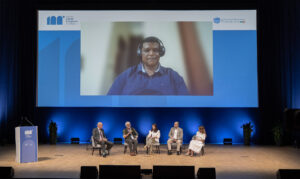
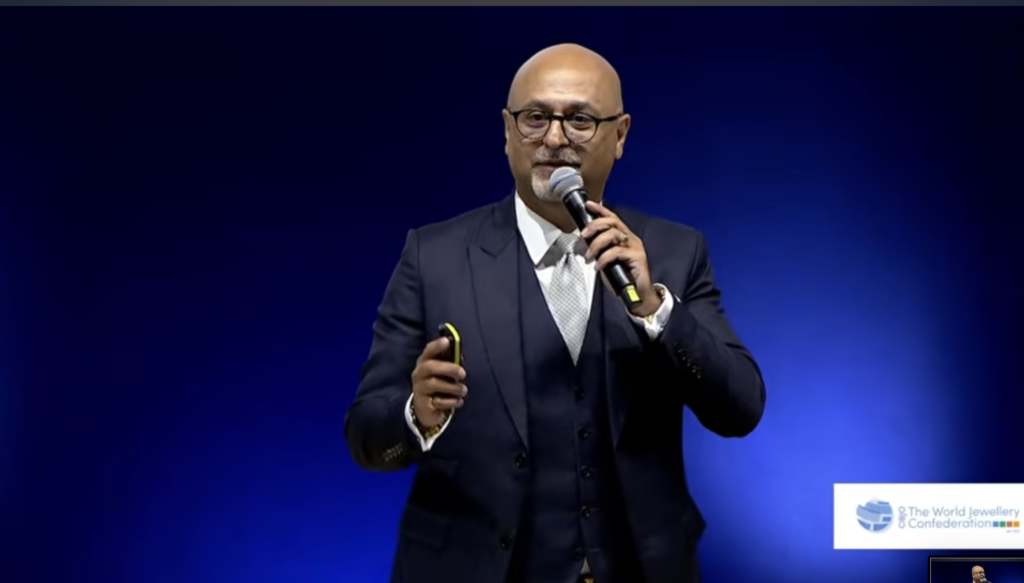
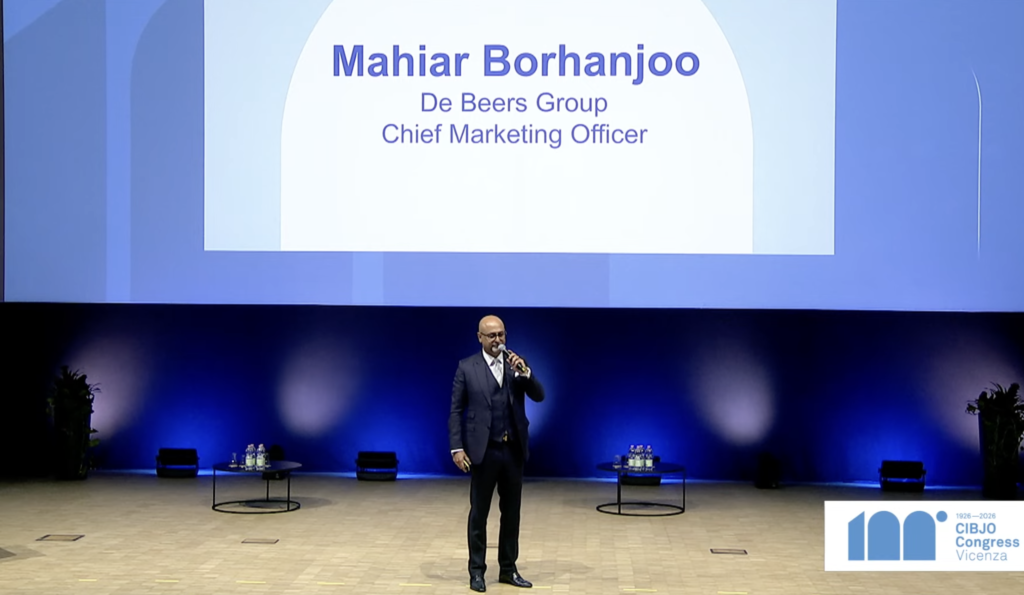
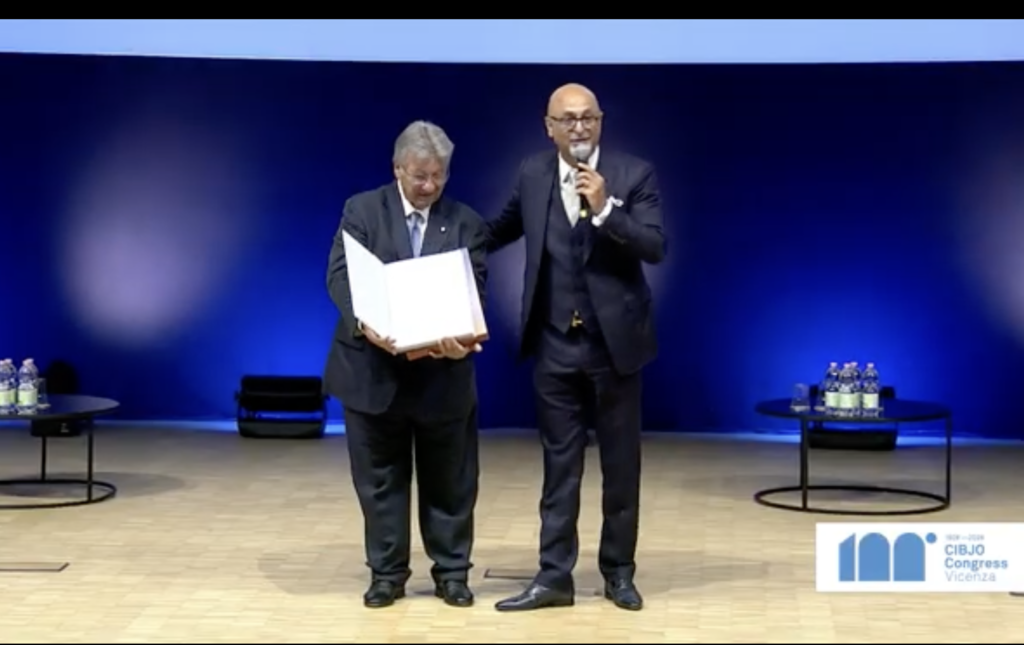
وخلال مشاركته في الجلسة الافتتاحية لمؤتمر CIBJO المئوي 2026 في فيتشنزا، استعاد بورهانجو رحلة خروج أسرته، موضحًا أن والده حمل معه ذهبًا وماسات أخفاها داخل ملابسه، لتصبح هذه القطع واحدة من الوسائل القليلة التي امتلكتها الأسرة لبدء حياتها من جديد بعد عبور الحدود، حتي تم اللجوء لأمريكا .. حيث بدأت العائلة حياة حديدة أكثر حرية وتفاؤلا،، بسبب قلادة ماسية كانت تمتلكها والدته. وأكد CIBJO في تقريره عن الجلسة أن بورهانجو استخدم القصة لتوضيح معنى الماس باعتباره مخزنًا للقيمة في أوقات عدم اليقين.
وربط المسؤول في De Beers بين التجربة الشخصية وفكرة الثقة التي تقوم عليها صناعة المجوهرات، قائلًا إن الثقة في قدرة الماس على الاحتفاظ بالقيمة هي تحديدًا ما عمل CIBJO على حمايته خلال المائة عام الماضية.
لكن القصة التي رواها بورهانجو حملت معنى يتجاوز مجرد الحديث عن السعر.
ففي رحلة أسرة تعبر حدودًا لا تعرف ما الذي ينتظرها بعدها، لم تكن قيمة الذهب والماس مرتبطة بفخامة القطعة أو باسم دار المجوهرات، وإنما بكونهما ثروة صغيرة يمكن حملها، وإخفاؤها، ونقلها عبر الحدود، ثم تحويلها لاحقًا إلى فرصة لبداية جديدة.
وهكذا تحولت المجوهرات في تجربة أسرته من زينة إلى أمان، ثم إلى حرية، ثم إلى رأس مال لحياة جديدة.
ماسة والدته.. ثمن البداية
وفي روايته الموسعة خلال المؤتمر، أشار بورهانجو إلى أن أسرته اضطرت لاحقًا إلى بيع جزء من الذهب والمجوهرات التي حملتها معها، ومن بينها عقد لوالدته يتوسطه حجر ماس أبيض كمثري الشكل، حاصل على شهادة GIA بدرجة لون D ونقاء Flawless، وتحيط به ماسات أصغر.
وكانت قيمة هذه القطع، وفق روايته، جزءًا من الأساس المالي الذي ساعد الأسرة على تثبيت أقدامها وبناء مستقبل جديد في أمريكا.
وهنا قدم بورهانجو واحدة من أكثر الرسائل الإنسانية وضوحًا في الجلسة: قبل أن يصبح الماس مهنته، كان الماس قد أصبح بالفعل جزءًا من مستقبل أسرته.
القصة بالنسبة له لم تكن دليلًا فقط على قدرة الماس والذهب على تخزين القيمة، وإنما على وظيفة أقدم للمجوهرات سبقت صناعة الرفاهية الحديثة نفسها: تحويل الثروة إلى شيء صغير يمكن للإنسان حمله معه عندما تضيع الأصول الأخرى أو يصبح الوصول إليها مستحيلًا.
المجوهرات.. ذاكرة يمكن حملها
وانطلق بورهانجو من تجربة أسرته إلى معنى أوسع للمجوهرات، معتبرًا أن البشر يحولون من خلالها ذكرياتهم إلى أشياء مادية يمكن الاحتفاظ بها ونقلها من جيل إلى آخر. فالقطعة قد تبدأ كقيمة مالية، لكنها تستطيع مع الزمن أن تتحول إلى أمان، ثم إلى ذكرى لا تمحوها السنوات، ثم إلى إرث عائلي.
وهذه الفكرة تحديدًا منحت كلمته بعدًا مختلفًا وسط نقاشات مؤتمر CIBJO حول مستقبل الماس الطبيعي، والثقة، والاستدامة، والتتبع، والمعايير الدولية؛ لأن بورهانجو لم يدافع عن الماس عبر خصائصه الجيولوجية أو درجاته الأربع فقط، وإنما عبر وظيفته الإنسانية.
رسالة Mahiar Borhanjoo لصناعة الماس
وجاءت رواية بورهانجو في وقت تواجه فيه صناعة الماس الطبيعي تحديات تتعلق بالطلب وبناء الثقة وتحديد موقعها أمام الماس الصناعي. وفي جلسة أخرى للمؤتمر يوم 6 سبتمبر، عاد بورهانجو للحديث عن السوق، مشيرًا إلى أن أسعار الماس المصقول مستقرة حاليًا، بينما ناقش المشاركون الحاجة إلى تحسين التسويق وزيادة فهم المستهلك للأثر الاقتصادي والاجتماعي لتعدين الماس الطبيعي في الدول المنتجة.
ومن هنا تتقاطع قصة أسرته مع الرسالة التي طرحها عدد من المتحدثين في مؤتمر المئوية: القيمة التي تحاول صناعة الماس الطبيعي الدفاع عنها لم تعد يمكن اختزالها في القيراط واللون والنقاء والقطع وحدها.
فالقطعة التي حملتها أسرة عبر الحدود، ثم ساعدتها لاحقًا على بناء حياة جديدة، لم تكن بالنسبة لأصحابها مجرد ماسة ذات مواصفات جيدة. بقدر ما كانت، بحسب المعنى الذي قدمه بورهانجو، قيمة قابلة للحمل عندما يصبح كل شيء آخر غير مضمون.
ففي سوق يبحث اليوم عن إعادة تعريف معنى الماس الطبيعي، لم يحتج بورهانجو إلى إعلان جديد أو حملة تسويقية لشرح قيمته؛ فقد حملت أسرته هذا المعنى معها بالفعل، مخبأً داخل معطف، أثناء عبورها الحدود إلى حياة جديدة.
ويؤكد بورهانجوو من خلال روايته تحولا جذريا لدى مجتمع صناعة الماس نفسه، الذي أصبح رموزه يقومون بتطبيق النظريات التسويقية بأنفسهم وعلى أنفسهم، بدلا من الاكتفاء بترويجها في حملات إعلانية، ربما يبدو الأمر اتجاها عاما وربما يكون التزاما شخصيا من بعض المنتجين، إلا أن الشاهد أن قبل تجربة بورهانجوو قام جاكوب آند كو قبل عدة أسابيع بابتكار قصّة جديدة لماسة ذات37 فاسيت، قدمها كهدية لزوجته في عيد زواجهما ال 37.
nd]
Mahiar Borhanjoo: “My Father’s Precious Jewellery Gave Our
Family Freedom, Safety and a Dream”
Mahiar Borhanjoo recounts at CIBJO Congress how his family fled Iran for Turkey with gold and diamonds hidden in his father’s clothes — assets that later became the capital for a new life in America.
For Mahiar Borhanjoo, Chief Commercial Officer at De Beers Group, jewellery was never merely a luxury product or a high-value asset. It was part of a deeply personal story that began decades ago, when his family was forced to leave Iran and cross the border into Turkey as political refugees before eventually starting a new life in the United States.
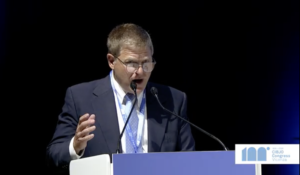
Speaking during the opening session of the CIBJO Centenary Congress 2026 in Vicenza, Borhanjoo recalled his family’s escape, explaining that his father carried gold and diamonds concealed inside his clothing. Those precious objects became among the few portable assets the family possessed as they crossed the border and later sought refuge in America.
There, the family was able to begin a new life — one marked by greater freedom and optimism — helped in part by a diamond necklace owned by Borhanjoo’s mother.
CIBJO, in its report on the session, noted that Borhanjoo used the story to illustrate the meaning of diamonds as a store of value in times of uncertainty.
He connected that personal experience to the broader concept of trust on which the jewellery industry depends, arguing that confidence in a diamond’s ability to retain value is precisely what CIBJO has worked to protect over the past century.
Yet Borhanjoo’s story carried a meaning that went beyond price.
For a family crossing borders without knowing what waited on the other side, the value of gold and diamonds had little to do with the glamour of the piece or the name of a jewellery maison. Their importance lay in the fact that they represented portable wealth — something that could be carried, concealed, moved across borders and eventually converted into the means to begin again.
In his family’s experience, jewellery moved from adornment to security, from security to freedom, and from freedom to capital for a new life.
His Mother’s Diamond: The Price of a New Beginning
In his expanded account during the congress, Borhanjoo said that his family later had to sell part of the gold and jewellery they had carried with them.
Among those pieces was a necklace belonging to his mother, centred on a pear-shaped white diamond graded D colour and Flawless clarity by GIA, surrounded by smaller diamonds.
According to Borhanjoo, the value contained in these pieces formed part of the financial foundation that helped the family establish itself and build a future in America.
Here, he delivered one of the session’s clearest human messages:
Before diamonds became his profession, they had already become part of his family’s future.
For Borhanjoo, the story was not simply proof that diamonds and gold can preserve value. It pointed to a much older function of jewellery — one that predates the modern luxury industry itself: the ability to convert wealth into something small enough to carry when other assets are lost, inaccessible or impossible to move.
Jewellery as Portable Memory
Borhanjoo then expanded his family story into a wider reflection on jewellery itself, suggesting that people use jewellery to transform memories into physical objects that can be kept, carried and passed from one generation to another.
A piece may begin as financial value, but over time it can become security, then memory, and eventually family heritage.
That idea gave his remarks a different resonance amid wider discussions at the CIBJO Congress about the future of natural diamonds, trust, sustainability, traceability and international standards.
Borhanjoo did not defend diamonds through geology or the traditional Four Cs alone.
He spoke instead about their human function.
Borhanjoo’s Message to the Diamond Industry
His story came at a time when the natural-diamond industry continues to face challenges related to demand, consumer trust and its positioning against laboratory-grown diamonds.
In another congress session on 6 September, Borhanjoo returned to the market outlook, noting that polished-diamond prices were currently stable. Participants also discussed the need to improve marketing and deepen consumer understanding of the economic and social contribution of natural-diamond mining to producing countries.
This is where his family story intersects with one of the broader messages emerging from CIBJO’s centenary gathering:
The value the natural-diamond industry is trying to defend can no longer be reduced to carat, colour, clarity and cut alone.
The jewel carried across a border by a refugee family, and later used to help finance a new life, was not meaningful to its owners merely because it was a diamond of high quality.
Its value lay in something more immediate:
It was wealth that could still be carried when everything else had become uncertain.
At a moment when the industry is searching for new ways to define the meaning of natural diamonds, Borhanjoo did not need a new advertising campaign to explain their value.
His family had already carried that message with them — hidden inside a coat — as they crossed a border towards a new life.
When Industry Leaders Begin Living the Story They Sell
Borhanjoo’s account also points to an interesting shift within the diamond industry itself.
Increasingly, some of its most visible figures are no longer simply promoting marketing theories through advertising campaigns; they are applying those ideas to their own lives and personal narratives.
Whether this becomes a broader industry trend or remains a matter of individual conviction is still unclear.
But Borhanjoo’s story is not entirely isolated.
Only weeks earlier, Jacob & Co. created a new personal story around a diamond cut with 37 facets, presented by Jacob Arabo to his wife as an anniversary gift marking 37 years of marriage.
In both cases, the diamond is presented not merely as a luxury object, but as something that carries a story greater than its specifications.
For Borhanjoo, that story was one of escape, safety, freedom and a new beginning.
And perhaps that is precisely the message the natural-diamond industry is now trying to reclaim:
that the most enduring value of a jewel may lie not in what it costs, but in what it carries with it when life changes completely.
لقراءة المزيد:
37 وجهًا ل 37 عاماً: عندما تروي قَصَّة الحجر قِصَّة الحب.
جاريث بيني يقدم 8 محاور لإعادة بناء مستقبل الماس الطبيعي
الجلسة الصناعية بمئوية CIBJO بفيتشنزا: 17صوتًا يرسمون خريطة صناعة المجوهرات للمئوية القادمة