

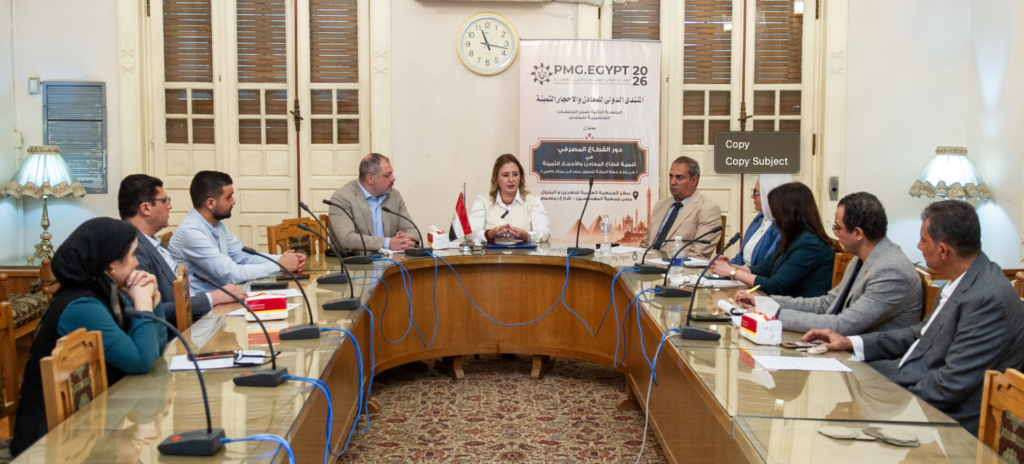
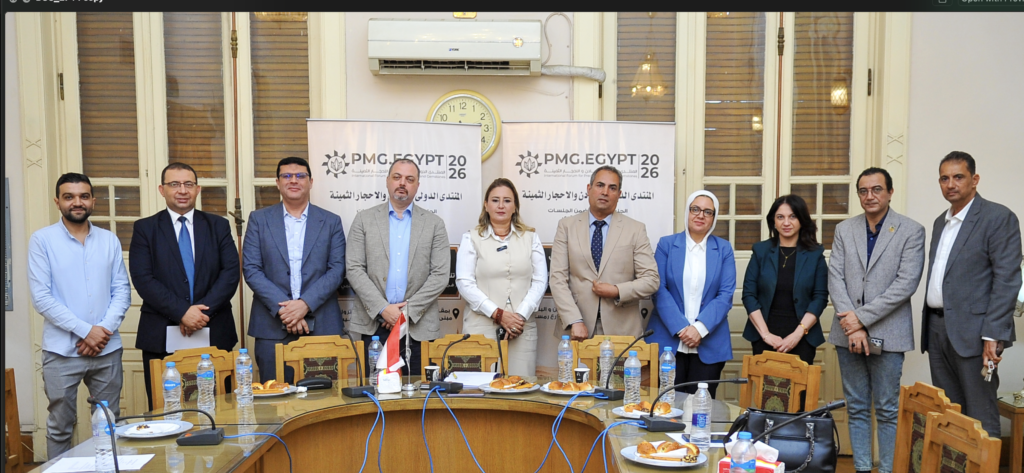
ناقشت الجلسة الثانية من سلسلة الجلسات التحضيرية للمنتدى الدولي للمعادن والأحجار الثمينة “دور القطاع المصرفي والمؤسسات المالية في تنمية قطاع الذهب والمعادن والأحجار الثمينة”، كما استعرضت التحديات التي تعوق بناء منظومة تمويلية متكاملة تدعم التعدين والتصنيع والتجارة والتصدير، ضمن رؤية المنتدى للمساهمة في تحويل مصر إلى مركز إقليمي وعالمي للصناعة والتجارة.
وجمعت الجلسة ؛ التي استضافتها القاعة الرئيسية بالمبني التاريخي لجمعية المهندسين المصرية بشارع رمسيس، وأدارتها جيهان الشعراوي الرئيس التنفيذي للمنتدى، ممثلين وخبراء من القطاع المصرفي والرقابة المالية والتشريع والصناعة والتعدين والاستثمار والتدريب ومجلس النواب، بهدف فتح حوار مباشر بين أطراف المنظومة، ورصد الفجوات التمويلية والتنظيمية القائمة بين احتياجات القطاع والأدوات المالية والاستثمارية المتاحة، وصولًا إلى توصيات ومقترحات قابلة للدراسة والتنفيذ.
وتأتي الجلسة برعاية شعبة صناعة الذهب والمعادن الثمينة ضمن سلسلة من اللقاءات المتخصصة التي ينظمها المنتدى لمناقشة حلقات سلسلة القيمة لقطاع الذهب والمعادن والأحجار الثمينة في مصر، والتحديات التشريعية والتنظيمية والتمويلية والفنية التي تواجهها، تمهيدًا لصياغة رؤية متكاملة قابلة للتنفيذ تدعم توجه مصر نحو التحول إلى مركز إقليمي وعالمي للذهب والمعادن والأحجار الثمينة يتم عرضها على الجهات المعنية.
وتركزت المناقشات حول عدد من المحاور الرئيسية، في مقدمتها إمكانية إنشاء برامج مصرفية متخصصة لتمويل صناعة وتجارة الذهب، وتمويل التوسع التكنولوجي للمصانع، ووضع نموذج قابل للتمويل لمشروعات التعدين والاستكشاف، وتحريك الذهب المدخر لدى المواطنين وإدخاله في الدورة الاقتصادية، إلى جانب تطوير البنية المصرفية والمالية اللازمة لإنشاء مركز إقليمي لتجارة الذهب في مصر.
خبير الحوكمة وإدارة المخاطر:
التمويل متاح.. لكن التعدين والصناعة تحتاج نموذجًا يمكن للبنوك تقييمه
وأكد د. زكريا صلاح، خبير إدارة المخاطر وحوكمة المؤسسات المالية ومدير عام بالمؤسسة المصرفية، أن قطاع التعدين والمعادن الثمينة يمتلك فرصة ليصبح أحد القطاعات المهمة في دعم الناتج المحلي الإجمالي وتوفير موارد من النقد الأجنبي، خاصة إذا تم النظر إليه باعتباره قطاعًا متكاملًا يبدأ من التعدين وينتهي بالصناعة والتصدير.
وأوضح أن المنظور الرقابي والمصرفي يبدأ بالأساس من تقييم المخاطر التي تتحملها محافظ البنوك، مشيرًا إلى أن تمويل مشروعات التعدين يختلف عن التمويل التقليدي للشركات، إذ تقترب طبيعتها من الـProject Finance، وهو ما يرفع مستوى المخاطر ويتطلب دراسات ونماذج واضحة يمكن للبنك الاعتماد عليها في اتخاذ القرار الائتماني.
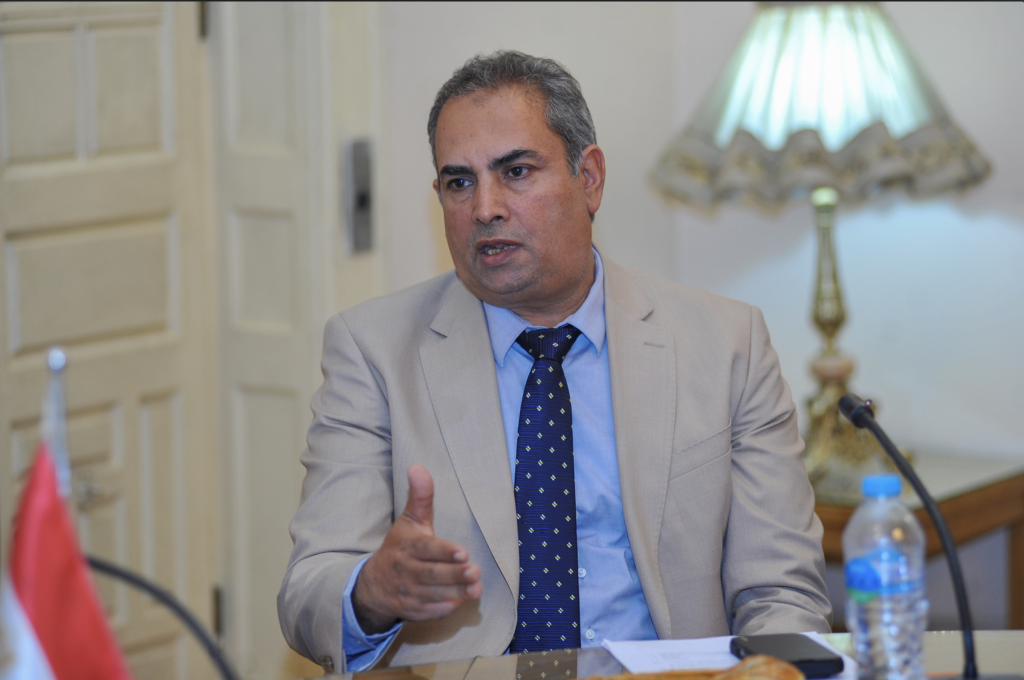
وأشار إلى إمكانية الاستفادة من الخبرات والمقترحات التي تطرحها الصناعة والمتخصصون لصياغة تصور يمكن دراسته من جانب واضعي السياسات، بما في ذلك إمكانية تطوير مبادرات أو أطر تمويلية متخصصة مستقبلًا، على غرار المبادرات التي استفادت منها قطاعات الصناعة والمشروعات الصغيرة والمتوسطة.
ولفت إلى أن تقييم مثل هذه المبادرات يرتبط بمحورين أساسيين: مستوى المخاطر الذي تتحمله البنوك، والعائد الاقتصادي وقدرة القطاع على توليد موارد من النقد الأجنبي من خلال التصنيع والتصدير.
وأكد أن البنوك من حيث المبدأ ليست ممتنعة عن تمويل صناعة الذهب أو الأنشطة المرتبطة بها متى توافرت الجدوى والتدفقات النقدية والضمانات المناسبة، وأن تمويل أنشطة التصنيع يمكن أن يدخل بصورة أقرب إلى التمويل التقليدي للشركات مقارنة بمراحل الاستكشاف والتعدين.
خبير تأسيس بنوك الذهب:
حسابات الذهب تستطيع إدخال المدخرات المعطلة إلى الاقتصاد
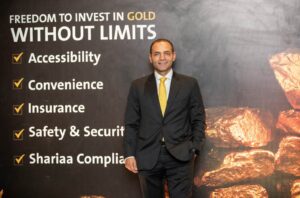
وطرح د. محمد غندور، الخبير المصرفي في المصارف المتوافقة مع الشريعة وبنوك الذهب، أحد أبرز المقترحات، ويتمثل في دراسة إنشاء حسابات مصرفية للذهب الفعلي تسمح للمواطنين بإيداع ما يمتلكونه من ذهب، بعد فحصه وتقييمه، والحصول على رصيد ذهبي داخل النظام المصرفي.
واستند غندور إلى تجربة مصرفية شارك في تطبيقها قبل نحو 12 عامًا، بدأت في الكويت ثم امتدت إلى تركيا ومنها إلى خمس دول أخري منها ألمانيا وماليزيا، موضحًا أن الفكرة تختلف عن صناديق الاستثمار في الذهب؛ إذ لا يودع العميل أموالًا ليقوم الصندوق بشراء الذهب نيابة عنه، وإنما تستهدف المنظومة الذهب الموجود بالفعل لدى المواطنين وخارج الدورة الاقتصادية.
وقال إن التجربة استطاعت، وفق ما عرضه خلال الجلسة، جذب كميات وصلت إلى نحو10 أطنان من الذهب خلال ثلاث سنوات، وأسهمت في تحويل جزء من المدخرات الذهبية إلى أصل داخل النظام المالي، مع توفير وسيلة أكثر أمانًا للمواطن لحفظ الذهب – السبائك- وإدارته بدلا من تخزينه في المنازل بما يجعل تأمينه أمراً صعباً في معظم الأحيان.
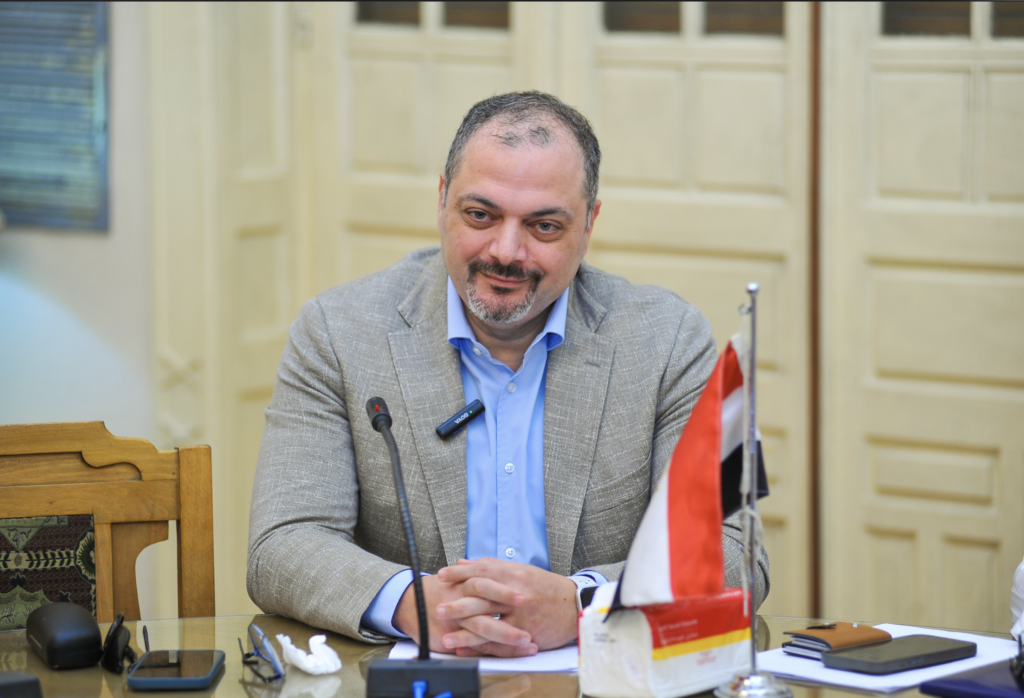
وأوضح أن دخول الذهب إلى القطاع المصرفي يخلق في المقابل قدرة أكبر على السيولة والإقراض، ويمكن، وفق هيكل المنتج والسياسات المنظمة له، أن يحقق منفعة متبادلة للمواطن والبنك والاقتصاد.
وأكد أن تطبيق نموذج مشابه في مصر ممكن وقابل للدراسة، لكنه يحتاج إلى هيكل تنظيمي واضح يشمل فحص الذهب وتقييمه، والحفظ والنقل والتأمين، والتعرف على العملاء ومصدر الأموال والأصول، ومكافحة غسل الأموال، وإدارة مخاطر تغير الأسعار. على أن يبدأ التطبيق بصورة تجريبية محدودة من خلال أحد البنوك، قبل تقييم التجربة والتوسع فيها.
كما دعا غندور إلى إنشاء برامج تمويل واضحة ومعلنة لمصنعي وتجار الذهب، بحيث يعرف العميل المصرفي مسبقًا شروط البرنامج ونسب التمويل والضمانات ومعايير الأهلية، بدلًا من بدء دراسة النشاط من الصفر في كل مرة.
وأشار إلى أن التجارب الخارجية، خاصة في عدد من الأسواق الخليجية، تعاملت مع الذهب باعتباره قطاعًا صناعيًا وتصديريًا ومصدرًا قويا وسريعاً للنقد الأجنبي، وأن البنوك طورت برامج تمويلية خاصة به، مستفيدة من ارتفاع سيولة الذهب وسهولة التصرف فيه، مع وضع هوامش وضوابط للتحوط من تقلبات الأسعار.
الرقابة المالية:
الابتكار ممكن بشرط وضوح نموذج العمل وحماية المستثمر
ومن جانبها، استعرضت سالي جورج عبد الله، معاون رئيس الهيئة العامة للرقابة المالية، تجربة الهيئة في التعامل مع المنتجات والمنصات الاستثمارية الجديدة التي ظهرت في السوق قبل وجود أطر تنظيمية تفصيلية لبعض نماذج عملها.
وأوضحت أن التعامل مع الابتكار المالي يبدأ بفهم نموذج العمل وتحديد الجهة المنظمة له مع إثبات حسن النية، ثم وضع القواعد والمتطلبات التي تضمن عمله من خلال كيانات ومنتجات مرخصة وتحافظ في الوقت نفسه على حقوق المستثمرين.
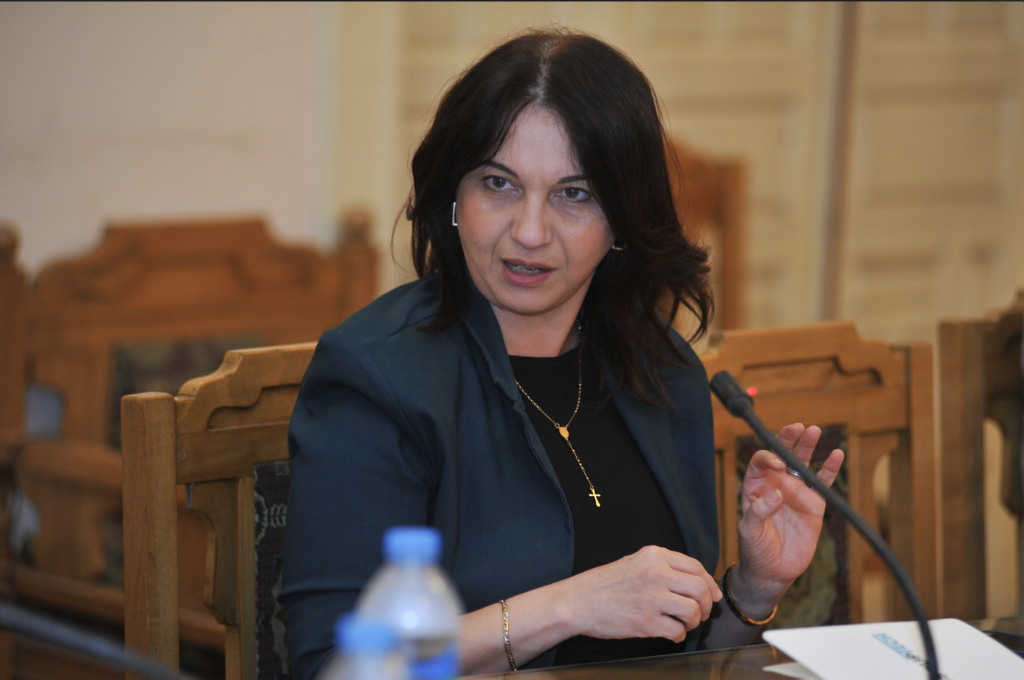
وأشارت إلى أهمية الـDigital Onboarding والهوية الرقمية في تسهيل انضمام المواطنين إلى القطاع المالي الرسمي بدون الحاجة للحضور الفعلي إلى البنك، مع الالتزام بمتطلبات التعرف على العميل والتحقق من هويته وأهليته وفهمه لطبيعة المنتج ومخاطره.
وأظهرت المناقشات في هذا المحور إمكانية دراسة نماذج ومنتجات مالية جديدة مرتبطة بالذهب، شريطة تحديد طبيعتها القانونية ونموذج عملها والجهة الرقابية المختصة، وتحقيق التوازن بين تشجيع الابتكار وحماية المتعاملين.
الصناعة: مصانع الذهب توسعت بأموالها الذاتية
وفي المقابل، كشف ممدوح عبد الله، عضو مجلس إدارة شعبة صناعة الذهب والمعادن الثمينة ورئيس شركة كيرمينا، عن فجوة واضحة بين القطاع الصناعي والتمويل المصرفي، موضحًا أن صناعة الذهب المصرية اعتمدت تاريخيًا بدرجة كبيرة على التمويل الذاتي والاستثمار الشخصي والعائلي.
وأشار إلى أن عددًا كبيرًا من المصنعين والتجار اعتادوا تمويل شراء الخام والتوسعات وتطوير المصانع من مواردهم الخاصة أو من خلال شراكات وتمويلات من داخل القطاع، دون الاعتماد بصورة واسعة على الائتمان المصرفي.
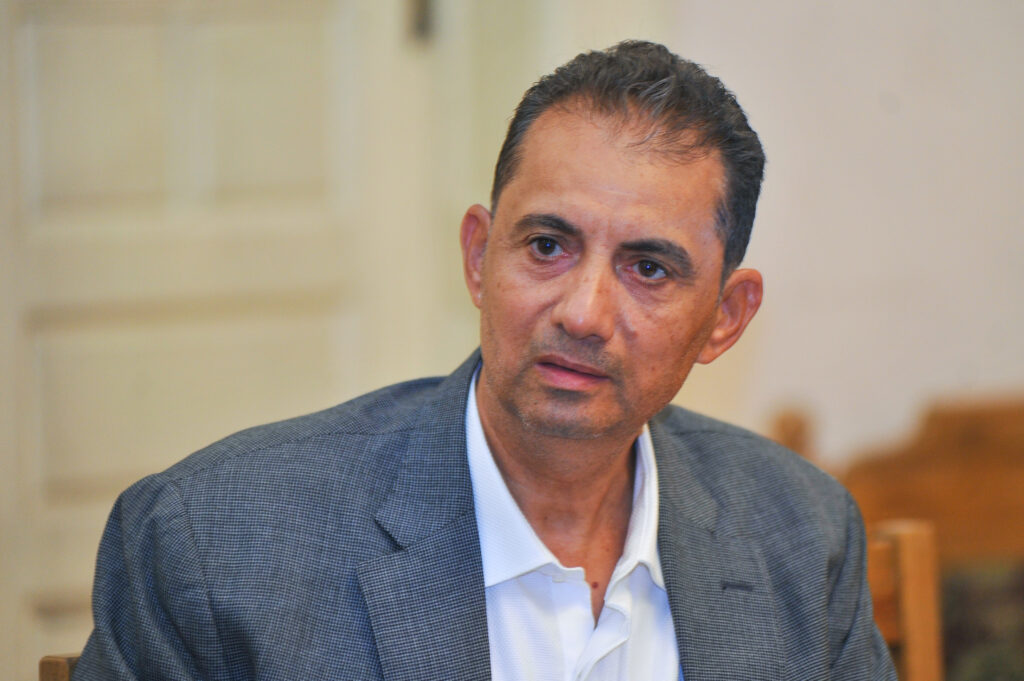
وأكدت المناقشات أن تطوير برامج تمويل متخصصة يمكن أن يفتح أمام الصناعة فرصًا أكبر لشراء المعدات والتكنولوجيا وتحديث خطوط الإنتاج والتوسع في التصدير، خاصة مع ارتفاع تكلفة الاستثمار في الخام والمعدات في الوقت نفسه. وحاجة المصانع المستمرة لوجود سيولة لتمويل عمليات شراء الخام ومستلزمات تشغيل المصانع.
القيمة ليست في الجرام وحده.. التصميم والبراند بوابة مصر للمنافسة
وأكد د. كرم مسعد أستاذ تصميم الحلي بكلية التربية الفنية ومستشار التدريب بشعبة الصناعة، أن تطوير الصناعة لا ينبغي أن يقتصر على توفير الذهب الخام فمشكلة الصناعة ليست في الخام نفسه، وإنما يحتاج إلى الاستثمار في التصميم والعلامات التجارية والمصممين ورواد الأعمال وتطوير الورش. وتدريب الحرفيين وتمويل شراء المعدات والأدوات ودعم المبتكرين في القطاع، وطرح مبادرات للتدريب ورعاية تأسيس مدارس وبرامج دراسية متخصصة.
وأشار إلى أن المنافسة الدولية الحقيقية ليست في عيار الذهب وحده، وإنما في القيمة التي يضيفها التصميم والحرفية والعلامة التجارية إلى الجرام، بما يسمح لمصر بالانتقال من تصدير الخام إلى تصدير منتج يحمل قيمة فنية وتصنيعية أعلى.
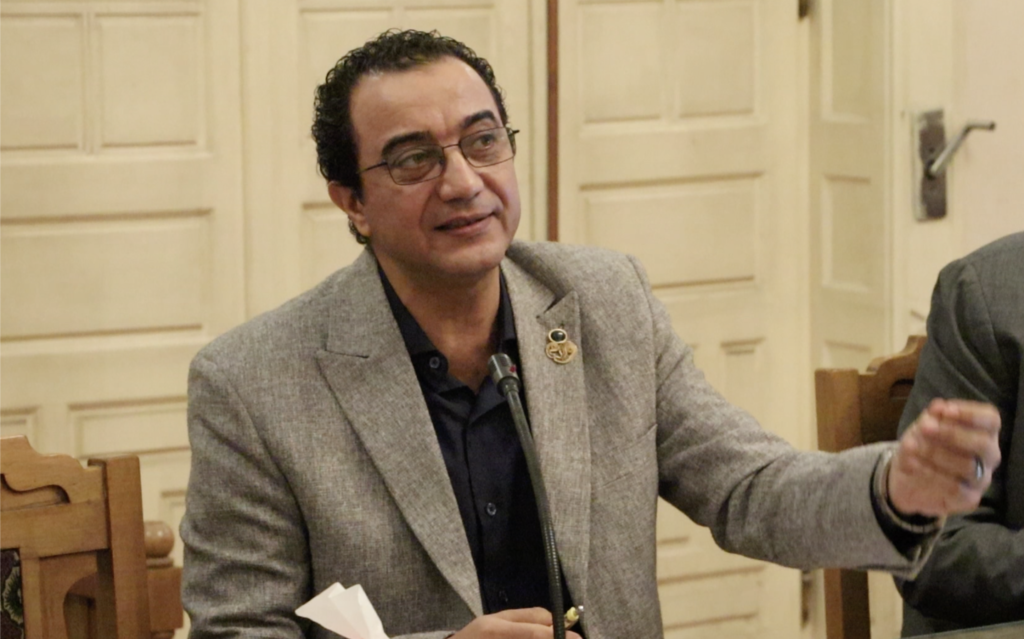
التشريع: التعدين الحرفي قضية اقتصادية واجتماعية وأمنية معًا
وعرضت النائبة ريهام عبد النبي، عضو مجلس النواب عن الحزب المصري الديمقراطي الاجتماعي عن محافظة أسوان، جانبًا من الأوضاع المرتبطة بالتعدين غير المنظم في أسوان، مؤكدة أن محدودية فرص العمل، خاصة بعد تراجع عدد من الأنشطة الاقتصادية وخاصة السياحة بعد ٢٥ يناير ٢٠١١، وفي ظل عدم وجود أنشطة اقتصادية وصناعية تستوعب الايدي العاملة، وهو ما دفع أعدادًا من الشباب والأهالي إلى العمل في التعدين الأهلي والحرفي. لأنهم لم يجدوا بدائل مناسبة، خاصة أن أسوان معروفة بأنها محافظة طاردة للسكان.
وأشارت عضو الملجس التشريعي المصري، إلى أن نشاط تعدين الذهب وفر دخولًا مرتفعة لبعض العاملين، لكنه نما خارج الاقتصاد الرسمي ودون وجود منظومة مالية واجتماعية تستوعب الأموال الجديدة، وهو ما أسهم، بحسب ما عرضته، في ظهور تداعيات اجتماعية وأمنية وارتفاع تداول الأموال خارج النظام الرسمي.
ودعت إلى توفير مسارات واضحة لتوفيق أوضاع العاملين، وتسهيل تأسيس الكيانات والحصول على التراخيص وبيع الإنتاج عبر قنوات قانونية، بالتوازي مع برامج للشمول والتثقيف المالي وبناء الثقة بين العاملين والدولة.
وأكدت المناقشات أن التعامل مع التعدين الحرفي لا يمكن أن يقتصر على المنع، وإنما يتطلب تحويل العاملين القابلين للتقنين إلى جزء من سلسلة إنتاج رسمية تخضع لقواعد واضحة للسلامة والبيئة والتداول.
البنوك: فجوة بين احتياجات القطاع والمنتجات المتاحة
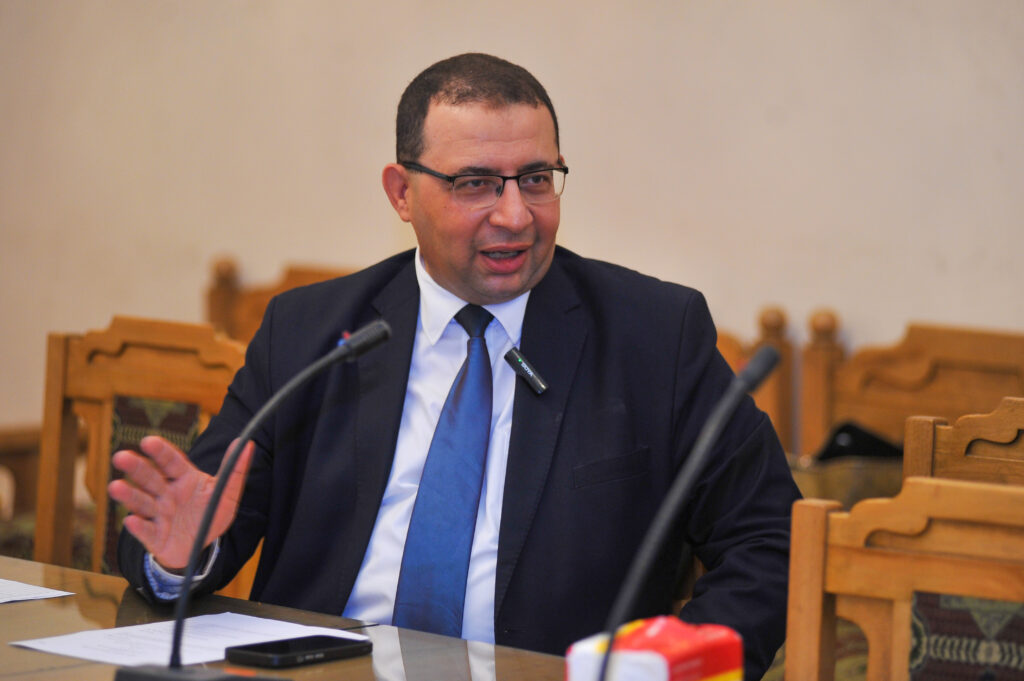
وأشار د. أكرم يحيى، مدير عام ورئيس إدارة القروض المشتركة ببنك القاهرة، إلى أن أحد التحديات أمام تمويل التعدين يتمثل في الحاجة إلى استكمال نموذج مؤسسي واستثماري واضح لهيئة الثروة المعدنية والشركات التابعة لها، يسمح للبنوك بتقييم وتمويل مراحل الاستكشاف والتعدين وفق دراسات ونماذج قابلة للتمويل، على غرار ما تطور تاريخيًا في قطاع البترول. وأكد صدور تحذيرات من البنك المركزي للبنوك من تمويل شراء الذهب للمضاربة، وضرورة التأكد من أن الراغب في الحصول على تمويل لشراء الذهب مُصنع بالفعل، ووقتها نطلب منه دراسة جدوى معتمدة وتقييم لكل الأرقام الخاصة بالأسعار والارباح، وهي ما تثير مخاوفهم بسبب تغير أسعار الذهب عالميا.
نظرة العملاء للاستثمار في صناديق الذهب أصبح له بعد اجتماعي وعائلي
وتناول محمود سيد نجيلة، المدير التنفيذي لشركة الأهلي للاستثمار، إمكانية توسيع أدوات تمويل المشروعات من خلال صناديق الملكية الخاصة ومنصات الاستثمار المنظمة، مؤكدا أن وجود صناديق الاستثمار في الذهب رغم أنها حديثة التنفيذ إلا أنها أثبتت نجاحها كمنتج مالي لأنها قدمت حلاً لمشكلة كبيرة لقطاع الشركات والمستثمرين الذين رغبوا في الحفاظ على قيمة السيولة المتوفرة لديهم من انخفاض قيمتها أمام التضخم، وكان من الصعب بالنسبة لهم شراء الذهب الفيزيائي وتخزينه، فجاءت الصناديق كبديل آمن لهم، .وأشار إلى أهمية التثقيف المصرفي وشرح آليات التعامل مع البنوك وطبيعة المنتجات المالية التي تقدمها سواء للمستثمرين والشركات أو الأفراد، وأن توفير المزيد من هذه. الحلول للعملاء أصبح يمثل جانبا من جوانب الأمان لاجتماعي والأسري، وليس المادي فقط.
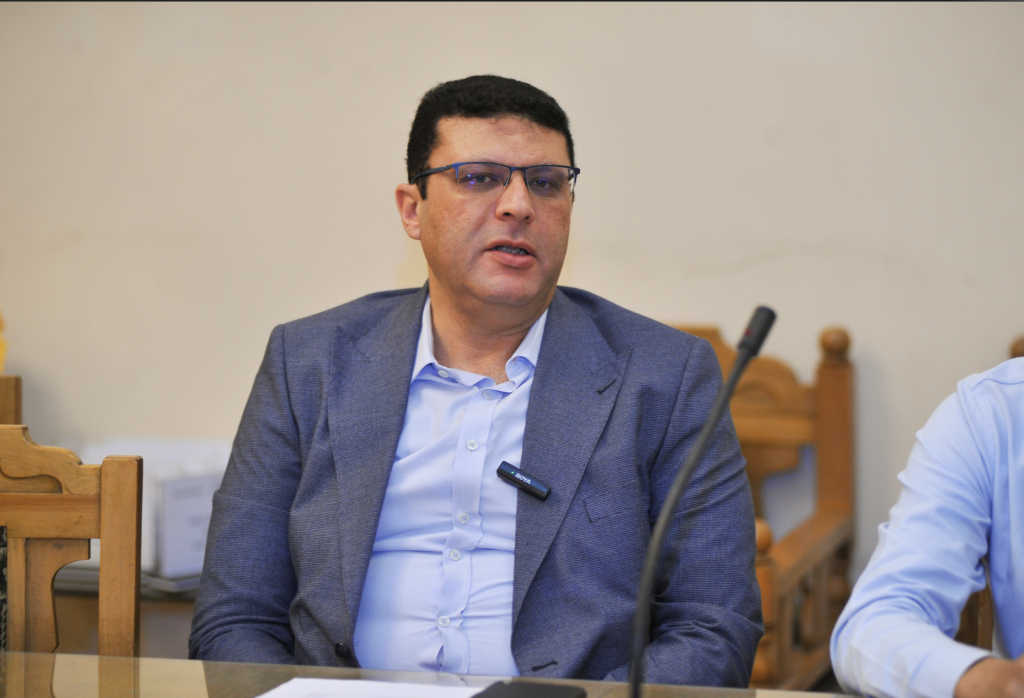
واستشهد بتجربة مواطن مسن توجه إليه ومعه كمية كبيرة من الذهب يمتلكها ويريد وضعها داخل صندوق استثمار الذهب بغرض حفظها وتأمين حقوق أسرته خوفا من محاولة أحد الورثة الاستيلاء على الذهب بمفرده في حالة وفاته. وعندما شرح للعميل أن آلية الصندوق لا تسمح باستلام الذهب الذي يمتلكه بالفعل.. شعر بالحزن ثم انصرف، وهو ما جعلني أشعر بأن هناك فجوة بالفعل بين احتياجات حائزي الذهب والمنتجات المالية المتاحة لهم.
قطاع الذهب يبتعد عن البنوك لارتفاع الضريبة
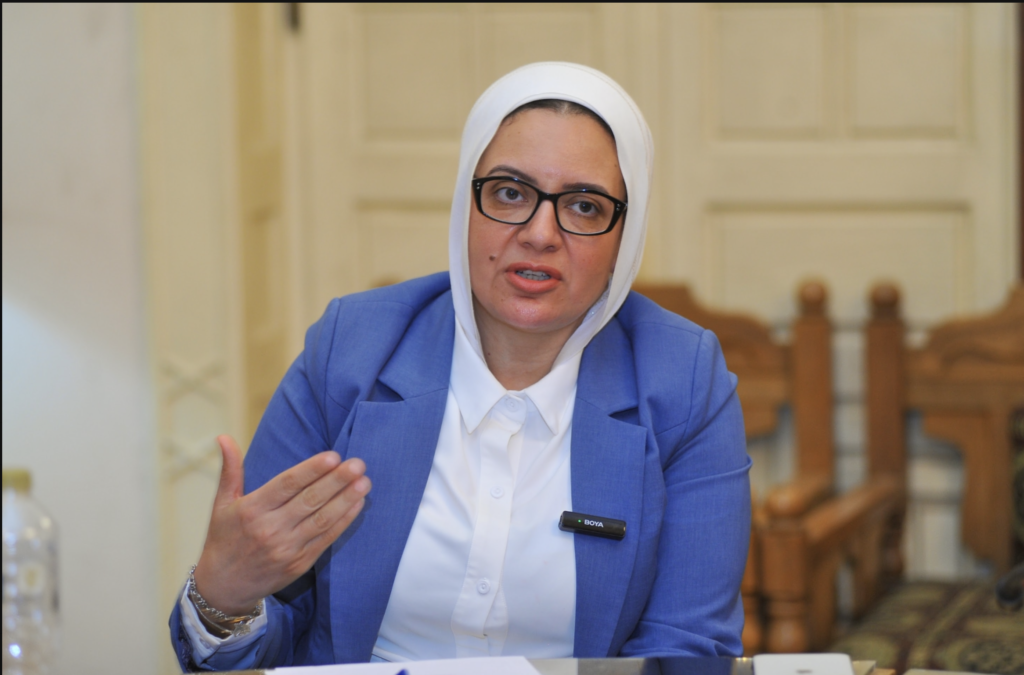
من جانبها أشارت د. شيماء وجيه أستاذ الاقتصاد الدولي ومديرة بأحد البنوك العربية بمصر، إلى مبادرة البنك المركزي التي تم إطلاقها بالتعاون مع وزارة الصناعة خلال العامين الماضيين لتمويل المصانع المتعثرة بعد التعويم ومع تزايد أزمة الدولار منذ عدة سنوات، ، لكنها كانت في الصناعات الأخرى مثل الأدوات الكهربائية، الأغذية، الحديد،البناء.
لكن لم يكن لها علاقة بمصانع الذهب. وعادة تجار الذهب لديهم تخوف من المعاملات البنكية و يبتعدون بمعاملاتهم عن البنك لتتم بشكل فردي بين العميل والتاجر . بسبب ارتفاع الضريبة- الرسوم التي تفرض على المعاملة بالنسبة للتاجر، وأكدت أهمية بناء نموذج عمل واضح ومتكامل لقطاع الذهب، يحدد أطراف المنظومة وآليات عملها ومصادر الإيرادات والتدفقات النقدية والمخاطر، بما يمكّن المؤسسات المالية من تقييم النشاط وتصميم أدوات تمويل مناسبة له بدلًا من التعامل معه كقطاع غير واضح المعالم.
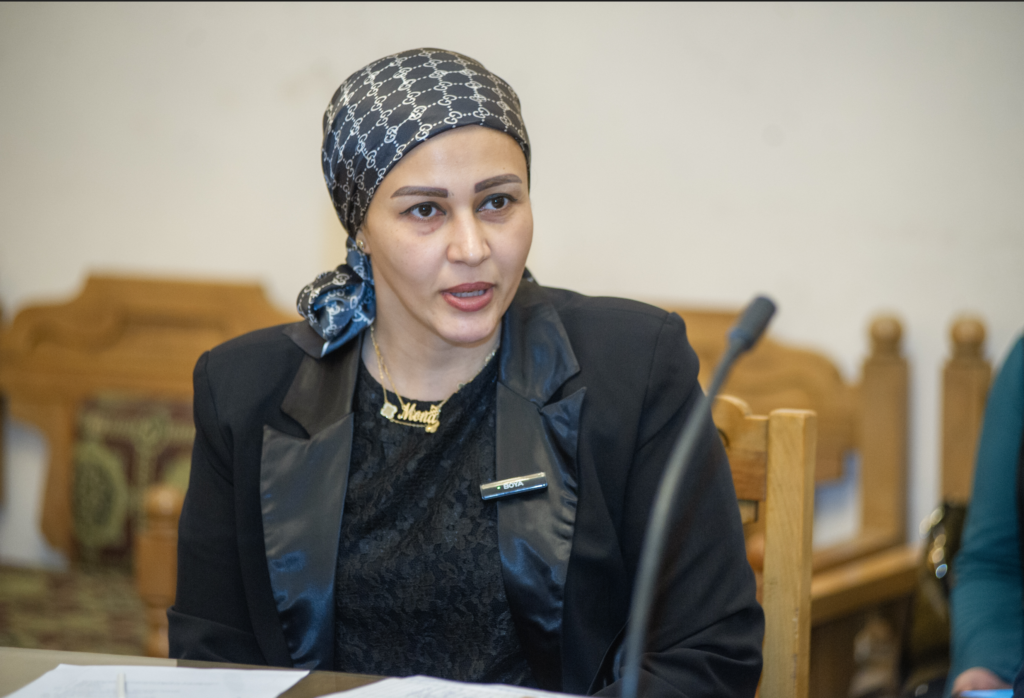
مؤكدة أهمية فتح حوار حول هذه القطاع لتسهيل الإجراءات، مشيرة إلى تفهمها لحقيقة أن البنوك تمول أنشطة أخرى مثل المنتجات الغذائية والعقارية وجميعها لا تخلو من المخاطر وربما مخاطرها تكون أكثر حدة من الذهب الذي يظل أصلا قادرا على حفظ قيمته ويتمتع بدرجة مرتفعة من السيولة. فمجرد وجود مخاطر ليس مبررا لاستبعاد القطاع من التمويل.
المستثمرون متطلعون لدخول السوق المصري لكنهم يحتاجون لقواعد وإجراءات واضحة
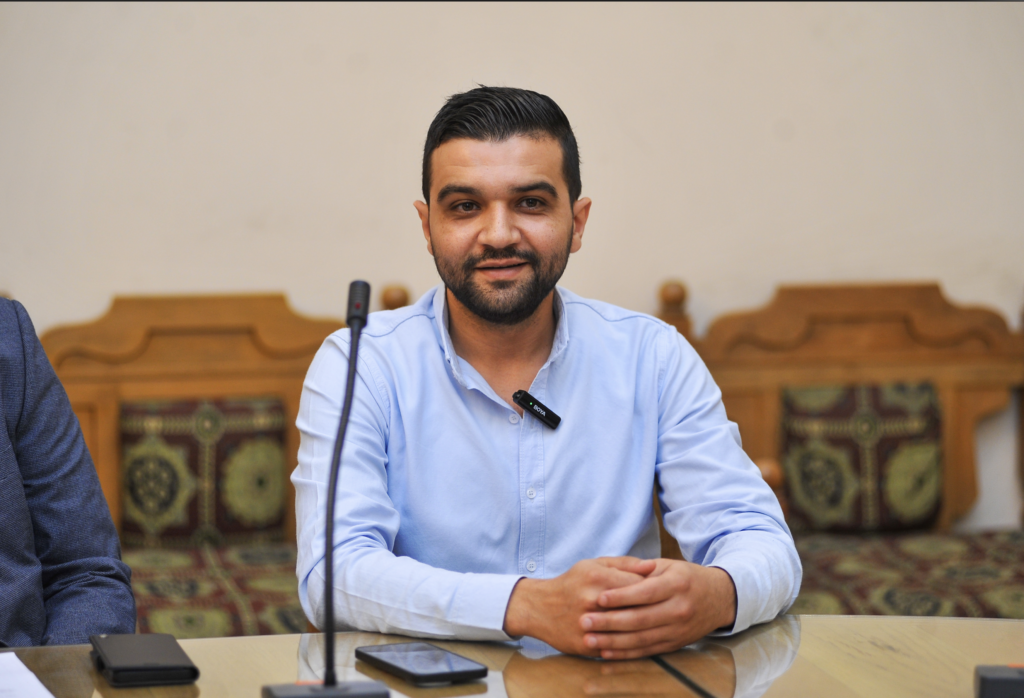
وأشار عبد الله القلشي مدير بأحد المختبرات الدولية في فحص الماس والاحجار الكريمة والذي يستهدف دخول السوق المصري خلال الفترة المقبلة، إلى وجود اهتمام كبير من شركات ومستثمرين أجانب بالسوق المصري، إلا أن تحويل هذا الاهتمام إلى استثمارات فعلية يحتاج إلى وضوح أكبر وتيسير الإجراءات والقواعد ومسار الاستثمار من التأسيس وحتى التشغيل والتصنيع والتسويق والتصدير، كما يحتاج من المسئولين إلى فهم طبيعة هذا القطاع واحتياجاته وآليات العمل فيه لأنها تختلف كثيرا عن كافة القطاعات الأخرى مؤكدا احتياج السوق المصري لمزيد من التنظيم والوضوح والوعي حتى يجذب المستثمرين الأجانب في الذهب والمجوهرات.
من تمويل المصنع إلى بنك الذهب الأفريقي
وامتدت المناقشات إلى البنية الأساسية المطلوبة إذا استهدفت مصر التحول إلى مركز إقليمي لتجارة الذهب، بما في ذلك قدرات التخزين والتأمين والنقل والتسوية المالية، وإمكانية إنشاء منتجات مصرفية واستثمارية مرتبطة بالذهب، إلى جانب التصور المطروح لإنشاء بنك للذهب الأفريقي ودوره المحتمل في دعم التجارة البينية الأفريقية.
وأكد المشاركون أن بناء مركز للذهب لا يبدأ فقط بإنشاء سوق للتداول، وإنما يتطلب منظومة متكاملة تشمل المخازن والخزائن المؤمنة، والفحص والاعتماد، والنقل والتأمين، والتسويات المصرفية، والقدرة على التعامل مع تدفقات كبيرة من المعدن والأموال.
توصيات أولية.. ومسار مستمر للحوار
وخلصت الجلسة إلى مجموعة من التوصيات والمقترحات الأولية، في مقدمتها:
– دراسة تطوير برامج مصرفية متخصصة لتمويل مصانع وتجار الذهب.
– بحث نموذج لحسابات الذهب الفعلي يستهدف إدخال جزء من الذهب المدخر لدى المواطنين إلى الاقتصاد الرسمي.
– استكمال الأطر المؤسسية التي تسمح للبنوك بتقييم وتمويل مشروعات التعدين.
– دعم التكنولوجيا والتدريب والتصميم والأنشطة المغذية للصناعة.
– ضرورة وضع مسارات أكثر وضوحًا لتقنين التعدين الحرفي ودمج العاملين فيه في الاقتصاد الرسمي.
– تعزيز التثقيف والشمول المالي.
– دراسة البنية المصرفية واللوجستية اللازمة لتحويل مصر إلى مركز إقليمي لتجارة الذهب.
وأكدت جيهان الشعراوي الرئيس التنفيذي للمنتدى، أن ما طرح خلال جلسة الاستماع خطوة أولى نحو فتح قنوات اتصال بين الحلقات المتباعدة التي يمكن أن تسهم في حالة تقاربها في تسارع نمو القطاع وتنظيمه، بكشف التحديات والتفكير في حلول مناسبة تقدم في شكل مقترحات أولية قابلة للدراسة والتطوير وليست قرارات ملزمة لأي جهة، وسيتم جمع المداخلات والتوصيات في تقارير أكثر تفصيلًا لعرضها على الجهات المعنية.
وتأتي الجلسة ضمن سلسلة الجلسات التحضيرية والمتخصصة التي ينظمها المنتدى الدولي للمعادن والأحجار الثمينة لمناقشة حلقات سلسلة القيمة بصورة متتابعة، على أن تتناول الجلسات المقبلة ملفات أخرى تشمل الاستثمار، والتعدين، والتصنيع، والتدريب والتعليم والتصدير والاستيراد، والجمارك والضرائب، والتنمية الصناعية، والمواصفات والجودة وسبل جذب الاستثمارات العالمية للسوق المصري.
Banking and Financial Institutions Discuss Their Role in Developing Egypt’s Gold, Precious Metals and Gemstones Sector
The second session in the preparatory series of the International Precious Metals and Gemstones Forum discussed the role of banks and financial institutions in developing Egypt’s gold, precious metals and gemstones sector.
The session also reviewed the main challenges that hinder the creation of an integrated financing system capable of supporting mining, manufacturing, trade and exports, as part of the Forum’s vision to help position Egypt as a regional and international hub for the industry and trade.
Held at the main hall of the historic Egyptian Engineers Society building on Ramses Street, the session was moderated by Gehan El-Shaerawy, Executive President of the Forum.
It brought together representatives and experts from the banking sector, financial regulation, legislation, industry, mining, investment, training and the House of Representatives, with the aim of opening a direct dialogue between different stakeholders, identifying financing and regulatory gaps, and developing practical recommendations and proposals that can be studied and implemented.
The session was sponsored by the Gold and Precious Metals Manufacturing Division and forms part of a series of specialized meetings organized by the Forum to examine the different links in Egypt’s gold, precious metals and gemstones value chain.
The discussions aim to identify legislative, regulatory, financial and technical challenges and help formulate an integrated and practical vision to support Egypt’s ambition to become a regional and international center for gold, precious metals and gemstones.
The main topics included the possibility of creating specialized banking programs to finance gold manufacturing and trade, financing technological expansion in factories, developing bankable models for mining and exploration projects, bringing privately held gold savings into the formal economy, and building the banking and financial infrastructure needed to establish a regional gold trading hub in Egypt.
Risk and Governance Expert: Financing Is Available, but Mining and Industry Need Bankable Models
Dr. Zakaria Salah, an expert in risk management and governance of financial institutions and a general manager in the banking sector, said the mining and precious metals sector has the potential to become an important contributor to GDP and a source of foreign currency, especially if it is viewed as an integrated sector extending from mining through manufacturing and exports.
He explained that banks and regulators mainly evaluate the level of risk carried by bank portfolios.
Mining projects, he noted, are different from traditional corporate financing and are closer in nature to project finance, which involves higher risks and therefore requires clear studies and financial models that banks can rely on when making lending decisions.
He added that industry expertise and proposals from specialists can help shape models that policymakers can study, including the possibility of developing specialized financing frameworks or initiatives in the future, similar to those already introduced for industry and small and medium-sized enterprises.
According to Salah, such initiatives would mainly be assessed based on two factors: the level of risk borne by banks, and the economic return of the sector, including its ability to generate foreign currency through manufacturing and exports.
He stressed that banks are not, in principle, opposed to financing gold manufacturing or related activities when there is clear feasibility, cash flow and adequate guarantees.
Manufacturing activities, he added, are generally closer to conventional corporate financing than exploration and mining projects.
Gold Banking Expert: Gold Accounts Could Bring Idle Savings into the Economy
Dr. Mohamed Ghandour, a banking expert specializing in Sharia-compliant banking and gold banking, presented one of the session’s most prominent proposals: studying the creation of bank accounts for physical gold.
Under the proposed model, citizens would be able to deposit gold they already own, after inspection and valuation, and receive a gold balance within the banking system.
Ghandour referred to a banking model he helped implement around 12 years ago. The model began in Kuwait, later expanded to Turkey, and then to five other countries, including Germany and Malaysia.
He explained that the concept is different from gold investment funds.
Instead of depositing money into a fund that then buys gold on behalf of the investor, the proposed system targets physical gold already owned by citizens and currently held outside the formal economy.
According to the figures he presented during the session, the model succeeded in attracting around 10 tonnes of gold over three years, helping turn part of private gold savings into assets inside the financial system.
It also offered citizens a safer way to store and manage gold, particularly bullion, rather than keeping it at home where security can be difficult.
Ghandour explained that bringing gold into the banking sector could also increase liquidity and lending capacity and, depending on the structure of the product and the regulations governing it, create benefits for citizens, banks and the economy.
He said a similar model could be studied in Egypt, but would require a clear regulatory framework covering gold inspection and valuation, custody, transportation, insurance, Know Your Customer requirements, source of funds and assets, anti-money laundering procedures, and price risk management.
He recommended starting with a limited pilot project through one bank before evaluating the results and expanding the model.
Ghandour also called for clear and publicly announced financing programs for gold manufacturers and traders, so that clients would know in advance the financing terms, lending ratios, guarantees and eligibility requirements, instead of having each case assessed from the beginning.
He noted that some Gulf markets treat gold as an industrial and export sector and as a strong and fast source of foreign currency.
Banks in these markets have developed specialized financing products for the industry, benefiting from gold’s high liquidity and ease of sale, while using margins and other controls to manage price volatility.
Financial Regulatory Authority: Innovation Is Possible if the Business Model Is Clear and Investors Are Protected
Sally George Abdallah, Assistant to the Chairman of the Financial Regulatory Authority, reviewed the authority’s experience in dealing with new investment products and platforms that entered the market before detailed regulatory frameworks had been developed for some of their business models.
She explained that financial innovation should begin with understanding the business model, identifying the responsible regulator, and demonstrating good faith.
This should then be followed by rules and requirements that ensure the product operates through licensed entities while protecting investors’ rights.
She also highlighted the importance of digital onboarding and digital identity in making it easier for citizens to enter the formal financial sector without having to visit a bank in person, while still complying with KYC requirements and ensuring that clients understand the nature and risks of the product.
The discussion highlighted the possibility of studying new financial products and models linked to gold, provided that their legal nature, business model and responsible regulator are clearly defined, and that a balance is maintained between encouraging innovation and protecting customers.
Industry: Gold Factories Have Expanded Mainly Through Self-Financing
Mamdouh Abdallah, board member of the Gold and Precious Metals Manufacturing Division and Chairman of Kirmena, highlighted a clear gap between the industrial sector and bank financing.
He explained that Egypt’s gold industry has historically relied heavily on self-financing and personal or family investment.
Many manufacturers and traders, he said, have traditionally financed raw material purchases, factory expansion and modernization from their own resources or through partnerships and financing from within the sector, rather than relying extensively on bank credit.
The discussions stressed that specialized financing programs could help the industry invest more in machinery and technology, modernize production lines and expand exports.
This is particularly important as the cost of investing in both raw materials and equipment continues to rise, while factories require constant liquidity to finance gold purchases and operating needs.
Value Is Not in the Gram Alone: Design and Branding Are Key to Egypt’s Competitiveness
Dr. Karam Massaad, Professor of Jewellery Design at the Faculty of Art Education and Training Adviser to the Industry Division, said that developing the industry should not focus only on ensuring access to raw gold.
He argued that the real challenge is not raw material availability itself.
The sector also needs investment in design, branding, designers, entrepreneurs and workshop development, along with training for craftspeople, financing for tools and machinery, support for innovators, and the development of specialized training initiatives, schools and academic programs.
He stressed that international competition is not based only on gold purity.
The real value lies in the additional worth created by design, craftsmanship and branding, allowing Egypt to move from exporting raw materials toward exporting products with greater artistic and manufacturing value.
Legislation: Artisanal Mining Is an Economic, Social and Security Issue
MP Reham Abdel Nabi, a member of the House of Representatives representing Aswan for the Egyptian Social Democratic Party, discussed the situation surrounding unregulated mining in Aswan.
She said limited employment opportunities, particularly following the decline of a number of economic activities including tourism after January 25, 2011, and the lack of sufficient industrial and economic activities to absorb the workforce, pushed many young people and local residents toward artisanal and small-scale mining.
She explained that some workers have been able to earn high incomes from gold mining, but much of the activity has developed outside the formal economy and without a financial or social system capable of absorbing the newly generated income.
According to her presentation, this has contributed to social and security challenges and to the circulation of large amounts of money outside the formal system.
She called for clear pathways to formalize miners, simplify the establishment of legal entities, facilitate licensing, and allow production to be sold through legal channels.
These measures, she said, should be accompanied by financial inclusion programs, financial education and efforts to build trust between miners and the state.
The discussions stressed that artisanal mining cannot be addressed through prohibition alone.
Workers who can be formalized should instead be integrated into a regulated production chain operating under clear safety, environmental and trading rules.
Banks: A Gap Remains Between Sector Needs and Available Financial Products
Dr. Akram Yehia, General Manager and Head of Syndicated Loans at Banque du Caire, said one of the main challenges facing mining finance is the need for a clearer institutional and investment model for the Mineral Resources Authority and its affiliated companies.
Such a model would allow banks to assess and finance exploration and mining projects based on bankable studies and structures, similar to the framework that historically developed in Egypt’s petroleum sector.
He also referred to Central Bank warnings to banks against financing gold purchases for speculation.
Banks must ensure that a borrower seeking financing to purchase gold is genuinely a manufacturer.
In such cases, banks require an approved feasibility study and a detailed assessment of prices and expected profits, although the volatility of global gold prices remains a concern.
Yehia also stressed the importance of banking education and explaining to customers how banks and financial products work.
He cited the example of a citizen who wanted to deposit physical gold into a gold investment fund in order to store it safely and protect his family’s rights, only to discover that the fund mechanism did not allow investors to deposit gold they already owned.
The example, according to the discussions, illustrates the gap between the needs of gold holders and the financial products currently available.
Mahmoud Sayed Nagila, Executive Director at Al Ahly Investment, discussed the possibility of expanding project financing tools through private equity funds and regulated investment platforms.
Under such models, projects would undergo professional studies and evaluation before being presented to investors, creating an additional source of finance alongside traditional bank lending.
Gold Businesses Stay Away from Banks Because of High Transaction Costs and Taxes
Dr. Shaimaa Wagih, Professor of International Economics and a manager at an Arab bank operating in Egypt, referred to a Central Bank initiative launched in cooperation with the Ministry of Industry over the past two years to finance struggling factories following the currency devaluation and the worsening foreign currency shortage.
She explained that the initiative covered industries such as electrical appliances, food, steel and construction, but did not include gold factories.
She added that gold traders often remain cautious about dealing with banks and prefer transactions to take place directly between the client and the trader, partly because of the high taxes and fees associated with transactions for traders.
Wagih stressed the importance of building a clear and integrated business model for the gold sector, defining all stakeholders, operating mechanisms, revenue sources, cash flows and risks.
Such a model would allow financial institutions to properly assess the sector and design suitable financing tools instead of treating it as an unclear or difficult-to-understand activity.
She also called for a broader dialogue aimed at simplifying procedures.
She noted that banks already finance sectors such as food production and real estate, which also involve risk and in some cases may even carry greater risks than gold.
Gold, she said, remains an asset capable of preserving value and has a high degree of liquidity.
Therefore, the existence of risk alone should not justify excluding the sector from financing.
Foreign Investors Are Interested in Egypt, but Need Clear Rules and Procedures
Abdallah El-Kalshy, a manager at an international diamond and gemstone testing laboratory that is considering entering the Egyptian market, said there is strong interest among foreign companies and investors in Egypt.
However, turning this interest into actual investment requires greater clarity, simpler procedures and a clearly defined investment pathway from establishment through operations, manufacturing, marketing and exports.
He also stressed the need for government officials and regulators to understand the specific nature of the gold and jewellery sector, its needs and operating mechanisms, which differ significantly from many other industries.
According to El-Kalshy, Egypt needs greater organization, clarity and awareness in order to attract more foreign investment into its gold and jewellery market.
From Factory Financing to an African Gold Bank
The discussions also addressed the infrastructure required if Egypt aims to become a regional gold trading hub.
This includes storage, insurance, transportation and financial settlement capacity, as well as the possibility of creating banking and investment products linked to gold.
Participants also discussed the proposed establishment of an African Gold Bank and its potential role in supporting intra-African trade.
They stressed that building a gold hub does not begin simply with creating a trading market.
It requires an integrated system that includes secure warehouses and vaults, testing and certification, transportation and insurance, banking settlements, and the ability to handle large flows of both gold and money.
Initial Recommendations and an Ongoing Dialogue
The session concluded with a number of initial recommendations and proposals, including:
- Studying the development of specialized banking programs to finance gold manufacturers and traders.
- Exploring a model for physical gold accounts that would bring part of citizens’ privately held gold savings into the formal economy.
- Completing the institutional frameworks needed to allow banks to evaluate and finance mining projects.
- Supporting technology, training, design and industries that serve the gold and jewellery sector.
- Creating clearer pathways to formalize artisanal mining and integrate workers into the formal economy.
- Strengthening financial education and financial inclusion.
- Studying the banking and logistics infrastructure required to position Egypt as a regional gold trading hub.
Gehan El-Shaerawy, Executive President of the Forum, said the proposals presented during the session represented a first step toward opening communication channels between different parts of the sector.
She said closer cooperation between these stakeholders could accelerate the growth and organization of the industry by identifying challenges and developing suitable solutions.
She stressed that the proposals are initial recommendations for further study and development, and are not binding decisions for any institution.
The contributions and recommendations will be compiled into more detailed reports and presented to the relevant authorities.
The session forms part of the preparatory and specialized meetings organized by the International Precious Metals and Gemstones Forum to examine the different stages of the value chain in sequence.
Upcoming sessions will address other topics including investment, mining, manufacturing, training and education, exports and imports, customs and taxation, industrial development, standards and quality, and ways to attract international investment to the Egyptian market.
لقراءة المزيد:
إطلاق المنتدى الدولي للمعادن والاحجار الثمينة ضمن توصيات ختام Ecominex- 2026
كنوز نيوز يدشن مبادرة المنتدى الدولي للمعادن والأحجار الكريمة بالقاهرة-PMG.EGYPT 2026
مصر تبحث عن الذهب الجديد في 2026.. فمن يبحث عن ذهبها القديم؟
د. سامح الترجمان: هل نريد حقًا أن تصبح مصر مركزًا عالميًا للذهب؟
بعد عام من تعثر مفاوضات البرامية: مصفاة الذهب السعودية تنافس على 5 مناطق للتنقيب في مصر