


رفعت شركة شلاتين– Shalateen للثروة المعدنية إنتاج وتوريدات الذهب خلال الأشهر التسعة الأولى من 2026 إلى أكثر من 850 كيلوجرامًا، بنمو بلغ نحو 9.6% على أساس سنوي، مدفوعة بزيادة إنتاج الشركات العاملة في مناطق امتيازها، وعلى رأسها منجم إيقات، إلى جانب التوسع في أنشطة التعدين الأهلي المنظم بالصحراء الشرقية.
وبحسب مصدر مسؤول تحدث لـ«العربية Business»، ارتفعت كميات الذهب المسلمة إلى البنك المركزي المصري بنحو 75 كيلوجرامًا، مقارنة بحوالي 775 كيلوجرامًا خلال الفترة نفسها من 2025.
وتشير الأرقام إلى أن «شلاتين» تقترب خلال العام الحالي من تجاوز حاجز الطن من الذهب، مع توقع الشركة إنتاج ما بين 250 و280 كيلوجرامًا إضافية خلال الربع الأخير من 2026، بدعم من زيادة معدلات الاستخراج والتوسع في مناطق العمل.
وفي حال تحقق الحد الأعلى من توقعات الربع الأخير، يمكن أن يصل إجمالي العام، حسابيًا، إلى نحو 1.13 طن من الذهب.
260 كيلو في الربع الثالث
وخلال الربع الثالث من العام الجاري، بلغت كميات الذهب التي سلمتها الشركة نحو 260 كيلوجرامًا، بما يمثل قرابة 31% من إجمالي الكميات المسلمة خلال الأشهر التسعة الأولى.
لكن رقم الـ850 كيلوجرامًا يتضمن الكميات المستهدف إنتاجها وتسليمها خلال الأسبوع الأخير من سبتمبر، بناء على معدلات الإنتاج خلال الفترة الأخيرة، كنسبة تقديريه لحجم الإنتاة لنهاية الأشهر التسعة وليس رقمًا نهائيًا مغلقًا وقت إعلان البيانات.
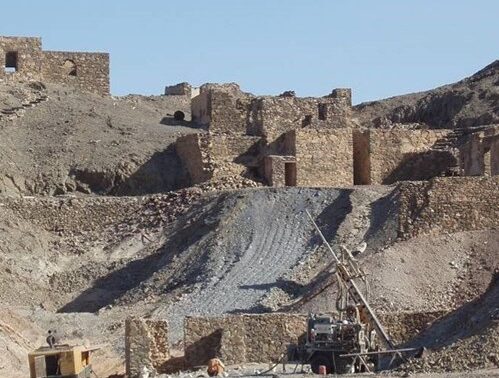
ذهب شلاتين- Shalateen
ولا تمثل الكميات المعلنة إنتاج منجم واحد، إذ تعمل «شلاتين» من خلال منظومة تضم إنتاج الشركات العاملة في مناطق امتيازها إلى جانب التعدين الأهلي المنظم، حيث تتسلم الشركة شهريًا الذهب المنتج من الشركات والأفراد المرخص لهم بالعمل داخل مناطق امتيازها بالصحراء الشرقية، قبل توريده إلى البنك المركزي المصري، وفق الأسعار العالمية للذهب مقومة بالدولار، مع احتسابها على أساس سعر الصرف الرسمي للجنيه.
وأرجع المصدر الزيادة الأخيرة بصورة خاصة إلى عاملين: نمو إنتاج منجم إيقات، والتوسع في منظومة التعدين الأهلي. حيث بدأ منجم إيقات الإنتاج التجريبي في 2023، ويعد أحد المشروعات الرئيسية الواقعة ضمن نطاق عمل شلاتين، وتقدر احتياطياته بنحو 1.2 مليون أوقية من الذهب، مع نسبة استخلاص معلنة تصل إلى نحو 95%.
التعدين الأهلي يدخل المعادلة
وتكشف الأرقام كذلك عن الدور المتزايد الذي تراهن عليه الدولة لتحويل نشاط التنقيب الأهلي عن الذهب من نشاط غير منظم إلى جزء من الإنتاج الرسمي.
وتخطط شلاتين لطرح مناطق جديدة أمام التعدين الأهلي، بالتوازي مع تقنين أنشطة العاملين فيه، بهدف زيادة كميات الذهب التي تدخل القنوات الرسمية وتعظيم الاستفادة الاقتصادية من الخام المنتج.
وكان وزير البترول والثروة المعدنية كريم بدوي قد أكد في أغسطس 2025 أهمية تقنين أوضاع المنقبين، وربط ذلك مباشرة بمشروع المجمع الصناعي للتعدين الأهلي التابع لشلاتين في أسوان، بما يحفظ حقوق الدولة ويوفر للعاملين فرصًا للعمل بصورة أكثر تنظيمًا وكفاءة.
مجمع أسوان يدخل خطة زيادة الإنتاج
وتعمل الشركة، بالتنسيق مع هيئة الثروة المعدنية والصناعات التعدينية، على التوسع في إنشاء وتشغيل المجمعات التعدينية، ومن بينها مجمع استخلاص الذهب والفضة بمحافظة أسوان، بهدف إدخال جزء أكبر من نشاط التعدين غير المنظم إلى منظومة إنتاج وتسويق رسمية.
وكانت «شركة شلاتين قد وقعت في أغسطس الماضي عقدًا مع شركة بترومنت لاستكمال المرحلة الأولى وتنفيذ المرحلتين الثانية والثالثة من المجمع الصناعي لطحن واستخلاص خام الذهب بمنطقة دهميت بأسوان.
ويستهدف المشروع الوصول إلى التشغيل الفعلي والمستدام لنحو 56 وحدة إنتاجية متخصصة في طحن واستخلاص خام الذهب.
ويمنح الربط بين المشروع والأرقام الجديدة دلالة أكبر للمجمع؛ إذ لا يقتصر دوره على معالجة الخام، وإنما يدخل ضمن خطة أوسع لتنظيم التعدين الأهلي وزيادة كمية الذهب التي تمر عبر القنوات الرسمية.
Shalateenمن 850 كيلو إلى 6 أطنان
لا تتوقف خطة شلاتين المستقبلية عند هدف تجاوز طن سنويًا، إذ تستهدف الشركة رفع إنتاجها إلى نحو 6 أطنان من الذهب سنويًا بحلول عام 2030، عبر زيادة أعمال البحث والاستكشاف والإنتاج داخل مناطق امتيازها، والتوسع في مناطق جديدة، ورفع كفاءة التشغيل، وزيادة مساهمة التعدين الأهلي المنظم.
ومستهدف الستة أطنان ليس رقمًا جديدًا ظهر مع بيانات سبتمبر؛ فقد أعلنت وزارة البترول رسميًا في أغسطس 2025 أن نتائج أعمال شلاتين أظهرت وصول إجمالي إنتاجها آنذاك إلى أكثر من 900 كيلوجرام من الذهب من منجم إيقات ومنظومة التعدين الأهلي، مع استهداف رفع الإنتاج إلى نحو 6 أطنان خلال خمس سنوات.
وبذلك ترسم الأرقام مسارًا واضحًا للنمو: 775 كيلوجرامًا خلال أول تسعة أشهر من 2025، وأكثر من 850 كيلوجرامًا في الفترة نفسها من 2026، وما بين 250 و280 كيلوجرامًا متوقعة خلال الربع الأخير، وصولًا إلى مستهدف استراتيجي يبلغ 6 أطنان سنويًا في 2030.
لا يتعلق الأمر بزيادة إنتاج منجم، وإنما بمحاولة توسيع دائرة الذهب الرسمي في مصر، من إنتاج الشركات داخل الامتيازات، إلى إيقات، ثم التعدين الأهلي والمجمعات المخصصة لمعالجة خاماته، وصولًا في النهاية إلى الذهب الذي تتسلمه «شلاتين» وتورده إلى البنك المركزي.
هل تتسع مظلة شلاتين لتجميع ذهب التعدين الأهلي بعد الحملة الأمنية على المنطقة؟
ويطرح ارتفاع الكميات التي تتسلمها «شلاتين» خلال 2026 سؤالًا حول ما إذا كانت الحملة الموسعة التي تنفذها القوات المسلحة والشرطة لمواجهة التنقيب غير المشروع في الصحراء الشرقية قد بدأت تنعكس على حجم الذهب الداخل إلى القنوات الرسمية، خاصة مع تأكيد الشركة أن جانبًا من الزيادة الأخيرة جاء من التوسع في التعدين الأهلي وتقنين أنشطة العاملين فيه وفتح مناطق جديدة أمامهم.
فالحملة التي بدأت بصورة مكثفة خلال العام الجاري لم تستهدف نشاط التعدين الأهلي المرخص، وإنما التنقيب غير المشروع؛ وأعلنت القوات المسلحة في 2 أغسطس بدء المرحلة الثانية من عمليات التمشيط والمداهمة للمناطق المستخدمة في هذا النشاط، بعد المرحلة الأولى من الحملة. كما ربط الخطاب الرسمي بين التنقيب غير المشروع وبين شبكات التهريب وأنشطة أخرى في المناطق الحدودية.
وتكتسب هذه التطورات أهمية خاصة بالنسبة إلى «”شلاتين” التي تعد نقطة التجميع المعتمدة من الدولة، إذ إن تقنين أوضاع العاملين في التنقيب العشوائي وتحصيل حقوق الدولة يمثلان أصلًا جزءًا من الأهداف الرسمية لإنشاء الشركة. والنموذج الذي طُرح منذ سنوات كان يقوم على السماح للأفراد والشركات الصغيرة بالعمل داخل مناطق محددة وتحت مظلة قانونية، على أن يدخل الذهب المنتج إلى الشركة بدلًا من تسويقه خارج القنوات الرسمية.
واللافت أن بيانات 2026 تأتي بعد تشديد السيطرة على مناطق واسعة كانت تشهد نشاطًا غير رسمي. حيث أدت الحملة إلى خروج نسبة كبيرة من المنقبين وخاصة من ذوي الجنسيات الأجنبية من بعض المناطق وإغلاق طواحين ومصادرة معدات، بينما استمر نشاط محدود في مناطق أخرى.
Gold Deliveries Go to Egypt’s Central Bank, with a Plan to Reach 6 Tonnes Annually by 2030
Shalateen Exceeds 850 kg of Gold in Nine Months, Targets Up to 280 kg More by End-2026
Shalateen Mineral Resources Company raised its gold production and deliveries during the first nine months of 2026 to more than 850 kilograms, representing year-on-year growth of around 9.6%, driven by higher production from companies operating within its concession areas — particularly the Iqat Gold Mine — as well as the expansion of organized artisanal mining activities in Egypt’s Eastern Desert.
According to a company official speaking to Al Arabiya Business, gold deliveries to the Central Bank of Egypt (CBE) increased by around 75 kilograms, compared with approximately 775 kilograms during the same period in 2025.
The figures indicate that Shalateen is moving closer to exceeding the one-tonne mark this year. The company expects to produce an additional 250–280 kilograms during the final quarter of 2026, supported by higher extraction rates and the expansion of its areas of operation.
If the upper end of the fourth-quarter forecast is achieved, total production for the year could mathematically reach approximately 1.13 tonnes of gold.
260 kg in the Third Quarter
During the third quarter of this year, the company delivered around 260 kilograms of gold, representing approximately 31% of the total quantities delivered during the first nine months.
However, the 850-kilogram figure includes quantities targeted for production and delivery during the final week of September, based on recent production rates. It should therefore be viewed as an estimated figure for the end of the nine-month period rather than a finalized total at the time the data were announced.
Shalateen’s Gold
The announced quantities do not represent production from a single mine. Shalateen operates a system that incorporates output from companies working within its concession areas alongside organized artisanal mining.
Each month, the company receives gold produced by licensed companies and individuals operating within its concession areas in the Eastern Desert before delivering it to the Central Bank of Egypt. The gold is valued according to international prices in US dollars, with the value calculated using the official exchange rate of the Egyptian pound.
The source attributed the latest increase particularly to two factors: higher production from the Iqat Gold Mine and the expansion of the organized artisanal mining system.
Iqat began trial production in 2023 and is one of the main projects within Shalateen’s areas of operation. Its gold reserves are estimated at around 1.2 million ounces, with a reported recovery rate of approximately 95%.
Artisanal Mining Enters the Equation
The figures also highlight the growing role that the Egyptian government is assigning to efforts to transform artisanal gold prospecting from an unregulated activity into part of the country’s formal production system.
Shalateen plans to open new areas for artisanal mining while simultaneously formalizing the activities of those working in the sector, with the aim of increasing the amount of gold entering official channels and maximizing the economic value of the ore produced.
In August 2025, Minister of Petroleum and Mineral Resources Karim Badawi stressed the importance of formalizing the status of artisanal prospectors, directly linking this effort to Shalateen’s artisanal mining industrial complex in Aswan. The objective is to safeguard the state’s rights while providing miners with opportunities to work in a more organized and efficient framework.
Aswan Complex Becomes Part of the Production Growth Plan
Shalateen, in coordination with the mineral resources and mining industries authority, is working to expand the establishment and operation of mining complexes, including the gold and silver extraction complex in Aswan, with the aim of bringing a larger share of unregulated mining activity into a formal production and marketing system.
Last August, Shalateen signed a contract with Petromaint to complete the first phase and implement the second and third phases of the industrial complex for crushing gold-bearing ore and extracting gold in the Dahmit area of Aswan.
The project aims to bring approximately 56 specialized production units for gold ore crushing and extraction into full and sustainable operation.
Linking the project with the latest production figures gives the complex broader significance. Its role is not limited to processing ore; it forms part of a wider plan to formalize artisanal mining and increase the volume of gold passing through official channels.
From 850 kg to 6 Tonnes
Shalateen’s future plans extend well beyond exceeding one tonne of annual gold production. The company aims to increase its output to around 6 tonnes of gold annually by 2030, through expanded exploration and production within its concession areas, expansion into new areas, improved operational efficiency and a greater contribution from organized artisanal mining.
The six-tonne target is not a new figure introduced with the September data. In August 2025, the Ministry of Petroleum officially announced that Shalateen’s results showed total gold production had reached more than 900 kilograms from the Iqat Mine and the artisanal mining system, with a target of increasing production to approximately 6 tonnes within five years.
The figures therefore outline a clear growth trajectory: 775 kilograms during the first nine months of 2025, more than 850 kilograms during the same period in 2026, an additional 250–280 kilograms expected in the final quarter, and ultimately a strategic target of 6 tonnes annually by 2030.
The story is not simply about increasing production from a single mine. It is about an attempt to expand the share of Egypt’s gold entering the formal economy — from production by companies operating within concession areas, to Iqat, artisanal mining and dedicated ore-processing complexes, and ultimately to the gold received by Shalateen and delivered to the Central Bank of Egypt.
Could Shalateen’s Role in Collecting Artisanal Gold Expand Following the Security Campaign?
The increase in the quantities received by Shalateen during 2026 raises a question over whether the expanded campaign by the Egyptian Armed Forces and police against illegal gold prospecting in the Eastern Desert has begun to affect the volume of gold entering formal channels, particularly as the company has said that part of the latest increase resulted from the expansion of artisanal mining, the formalization of miners’ activities and the opening of new areas for them.
The campaign, which intensified during the current year, did not target licensed artisanal mining activity but rather illegal prospecting. On August 2, the Armed Forces announced the launch of the second phase of sweeping and raid operations in areas used for such activities, following the first phase of the campaign. Official statements have also linked illegal prospecting to smuggling networks and other activities in border areas.
These developments are particularly significant for Shalateen, which serves as a state-authorized collection point, as formalizing the status of informal prospectors and securing the state’s financial rights were among the original objectives behind the company’s establishment.
The model developed over recent years has been based on allowing individuals and small companies to operate within designated areas under a legal framework, with the gold produced entering Shalateen’s system rather than being marketed outside official channels.
Notably, the 2026 figures come after tighter controls were imposed across large areas that had previously witnessed informal mining activity. The campaign resulted in a significant number of prospectors — particularly foreign nationals — leaving some areas, alongside the closure of gold ore crushing mills and the confiscation of equipment, while limited activity continued in other locations.
راجعتها. المعلومات والترتيب كويسين، لكن الإنجليزية محتاجة تحرير صحفي أكتر من مجرد ترجمة. أهم تعديلين: عدم الخلط بين production وdeliveries لأن الـ850 كجم تشمل منظومة شلاتين وليست إنتاجها المباشر وحدها، وتخفيف التراكيب الحرفية خصوصًا في الجزء التحليلي الأخير. دي النسخة اللي أنشرها بالإنجليزية:
Gold Delivered to Egypt’s Central Bank as Shalateen Targets 6 Tonnes Annually by 2030
Shalateen Gold Deliveries Top 850 kg in Nine Months, with Up to 280 kg More Targeted by End-2026
Shalateen Mineral Resources Company reported more than 850 kilograms of gold production and deliveries during the first nine months of 2026, up around 9.6% year on year, driven by higher output from companies operating within its concession areas — particularly the Iqat Gold Mine — and the expansion of organized artisanal mining in Egypt’s Eastern Desert.
According to a company official quoted by Al Arabiya Business, gold delivered to the Central Bank of Egypt (CBE) increased by around 75 kilograms, compared with approximately 775 kilograms during the same period of 2025.
The figures put Shalateen on course to exceed the one-tonne mark this year. The company expects an additional 250–280 kilograms in the fourth quarter of 2026, supported by higher extraction rates and expanded operations.
If the upper end of that range is achieved, the full-year total would reach approximately 1.13 tonnes of gold.
260 kg in the Third Quarter
Gold deliveries during the third quarter amounted to around 260 kilograms, equivalent to nearly 31% of the nine-month total.
The 850-kilogram figure, however, includes quantities expected to be produced and delivered during the final week of September, based on recent production rates. It should therefore be treated as an estimated nine-month total rather than a final closed figure at the time the data were announced.
Where Shalateen’s Gold Comes From
The reported volumes do not represent production from a single mine.
Shalateen’s system combines output from companies operating within its concession areas with gold generated through organized artisanal mining. The company receives gold each month from licensed companies and individuals operating within its concessions in the Eastern Desert and subsequently delivers it to the Central Bank of Egypt.
The gold is valued against international dollar-denominated gold prices and converted at the official Egyptian pound exchange rate.
The source attributed the latest increase primarily to two factors: higher output from the Iqat Gold Mine and the expansion of organized artisanal mining.
Iqat began trial production in 2023 and is one of the main gold projects within Shalateen’s operating areas. Its reserves are estimated at around 1.2 million ounces of gold, with a reported recovery rate of approximately 95%.
Artisanal Mining Becomes Part of the Formal Gold Supply
The figures also highlight Egypt’s growing effort to bring artisanal gold prospecting out of the informal economy and into the country’s official production system.
Shalateen plans to open additional areas to artisanal miners while formalizing the activities of those already working in the sector. The aim is to increase the amount of gold entering official channels and capture more of the economic value generated from locally mined ore.
In August 2025, Minister of Petroleum and Mineral Resources Karim Badawi stressed the importance of formalizing artisanal prospecting and directly linked that effort to Shalateen’s artisanal mining industrial complex in Aswan, with the stated goals of protecting state rights and enabling miners to operate within a more organized and efficient framework.
Aswan Processing Complex Joins the Production Expansion Plan
Shalateen, in coordination with Egypt’s mineral resources and mining industries authority, is expanding the development and operation of mining complexes, including the gold and silver extraction complex in Aswan, as part of efforts to move a larger share of informal mining into formal production and marketing channels.
Last August, Shalateen signed a contract with Petromaint to complete the first phase and carry out the second and third phases of the industrial complex for crushing gold-bearing ore and extracting gold in Dahmit, Aswan.
The project is designed to bring 56 specialized gold ore crushing and extraction units into full and sustainable operation.
Against the backdrop of Shalateen’s latest figures, the complex takes on broader significance. Its role extends beyond ore processing: it forms part of a wider strategy to organize artisanal mining and increase the volume of gold flowing through official channels.
From 850 kg to 6 Tonnes
Shalateen’s ambitions extend far beyond crossing the one-tonne annual threshold.
The company aims to raise annual gold production to around 6 tonnes by 2030 through increased exploration and production within its concession areas, expansion into new areas, improved operating efficiency and a larger contribution from organized artisanal mining.
The six-tonne target did not emerge with the September figures. In August 2025, the Ministry of Petroleum announced that Shalateen’s gold production had exceeded 900 kilograms, combining output from the Iqat Mine and the artisanal mining system, while setting a target of around 6 tonnes within five years.
The numbers show the trajectory: 775 kilograms during the first nine months of 2025; more than 850 kilograms during the same period in 2026; another 250–280 kilograms targeted for the fourth quarter; and a longer-term goal of 6 tonnes annually by 2030.
But this is not simply a story of rising mine production.
It is also an attempt to expand the share of Egypt’s gold that enters the formal economy — from mining companies operating within concession areas and production at Iqat, to artisanal miners and dedicated ore-processing complexes, and ultimately to the gold collected through Shalateen and delivered to the Central Bank.
Could Shalateen Capture More Artisanal Gold Following the Security Campaign?
The rise in gold volumes handled by Shalateen during 2026 raises another question: has the intensified security campaign against illegal gold prospecting in the Eastern Desert begun to redirect more gold into formal channels?
The question is particularly relevant given that Shalateen has attributed part of its recent growth to the expansion of organized artisanal mining, the formalization of miners and the opening of additional areas for legal operations.
The campaign, which intensified this year, has targeted illegal prospecting rather than licensed artisanal mining. On August 2, the Egyptian Armed Forces announced the second phase of sweeping and raid operations in areas used for illegal gold prospecting, following an earlier phase. Official statements have also linked illegal prospecting to smuggling networks and other illicit activities in border areas.
The developments are particularly relevant to Shalateen because the company serves as a state-authorized collection channel for gold produced within its system. Formalizing informal prospectors and securing the state’s rights have been among the objectives associated with the company’s role from the outset.
The model developed over recent years has sought to allow individuals and small operators to work within designated areas under a legal framework, bringing the resulting gold into Shalateen’s system rather than allowing it to be marketed outside official channels.
What makes the 2026 figures particularly noteworthy is their timing. They come after tighter security controls were imposed across areas that had previously seen extensive informal prospecting. The campaign led to a significant number of prospectors — particularly foreign nationals — leaving some areas, while gold ore crushing mills were shut down and equipment confiscated. Limited activity continued elsewhere.
The figures alone, however, do not establish a direct causal link between the security campaign and the increase in Shalateen’s gold deliveries. Determining whether the campaign has materially shifted gold from informal networks into official channels would require a breakdown of Shalateen’s deliveries by source — particularly the contribution from artisanal miners before and after the campaign.
لقراءة المزيد:
بترومنت وشلاتين توقعان عقد تطوير مجمع استخلاص الذهب وتشغيل 56 وحدة إنتاجية بأسوان
البنك المركزي يراكم الذهب بالجنيه ويعزز قوة الاحتياطي ويقلل الحاجة إلى الدولار.. 4.177 مليون أوقية.